Why Raw Videos Beat Over-Edited TikToks
Spend hours editing with zoom transitions, subtitles, and sound effects only to get 200 views? Discover why raw, unedited videos are winning on the algorithm.
VDTik Editorial
Published on June 23, 2026

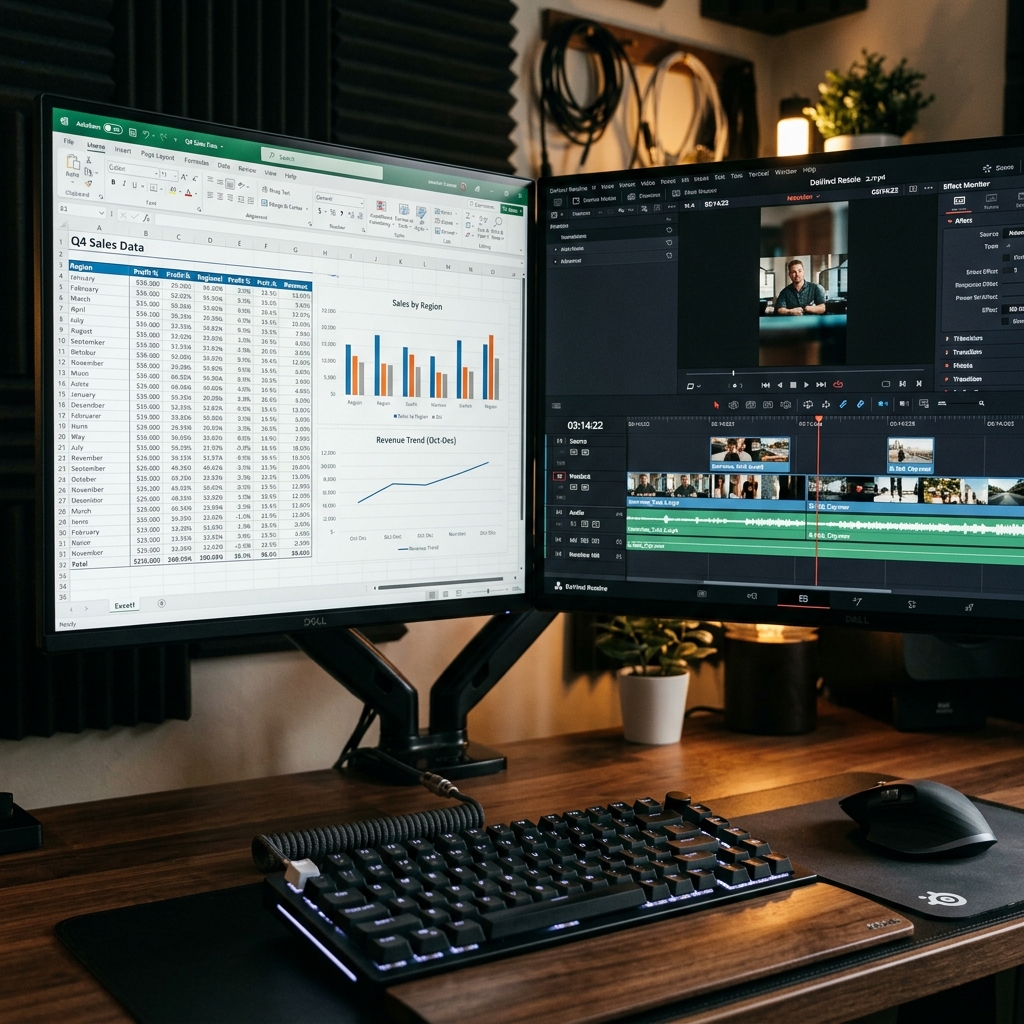
You spend six hours editing a 30-second video: adding flashing subtitles, sound effect swooshes, zoom transitions, and stock b-roll overlays. You upload it, and it flatlines at 250 views.
Later that day, you film a quick, unedited 15-second response to a comment while sitting in your car. No cuts, no text bubbles, no music.
Within 24 hours, the car video pulls in 150,000 views.
This is the editing paradox. While video editing tools make it easy to create complex visual styles, the TikTok algorithm and viewer psychology are shifting in the opposite direction. Over-edited videos look like ads, triggering immediate swipes. Raw, unedited videos feel authentic, keeping users watching longer.
Here is the algorithmic and psychological explanation of why raw content beats over-edited videos.
The Psychology of Ad-Blindness
The primary reason raw videos win is simple: trust.
Social media users are constantly bombarded with highly polished corporate ads. Over years of scrolling, the human brain has built an automated defense mechanism. The moment a video looks too perfect (with studio lighting, color grading, and heavy sound effects), the brain categorizes it as a commercial.
Users do not go to TikTok to watch commercials. They go to see real people.
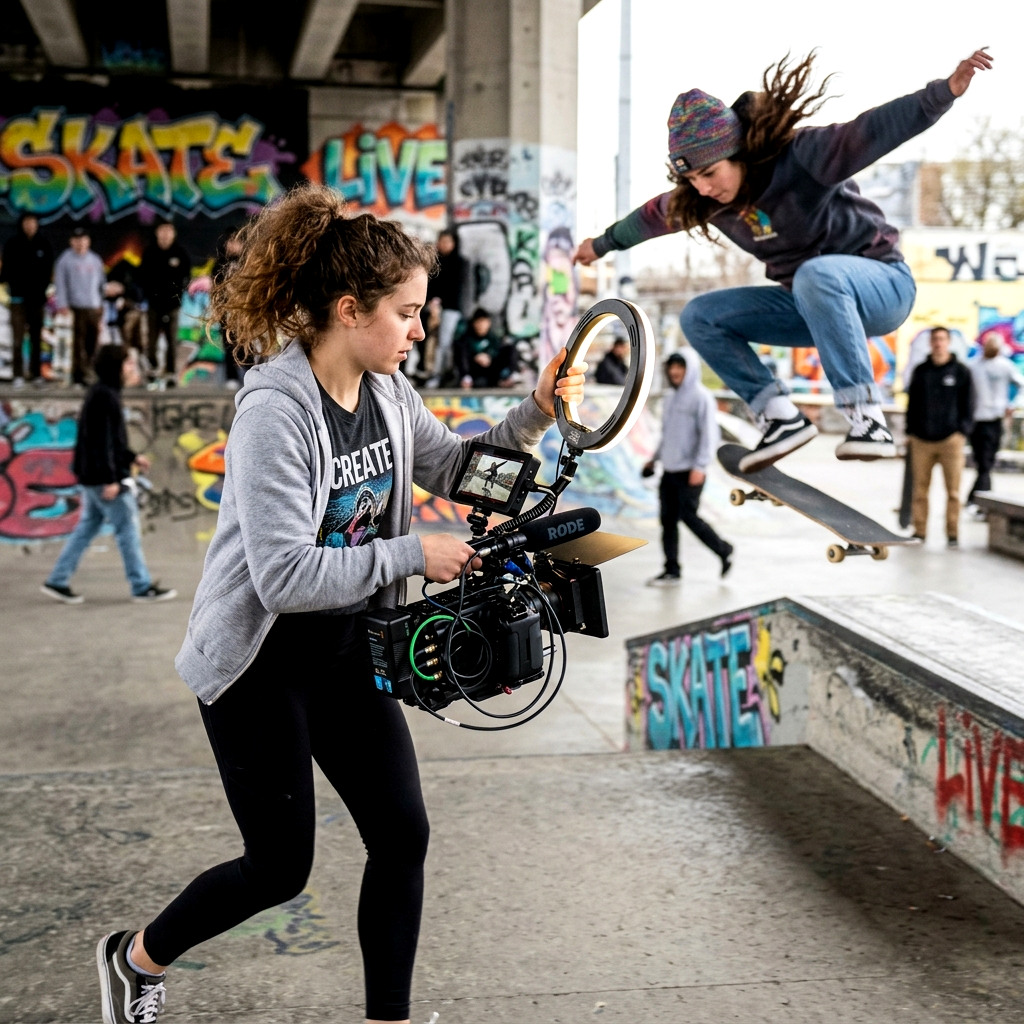
A raw video shot on a smartphone—featuring ambient room noise, natural lighting, and minor verbal stumbles—looks like a video from a friend. Because it does not trigger the “ad alarm,” viewers watch the first 5 seconds without defense, giving you a chance to hook them with your message.
The Algorithmic Advantage of Raw Formats
Aside from psychology, raw videos have structural advantages that help them pass TikTok’s moderation and distribution checks:
- Faster Upload Pacing: Raw videos do not carry complex metadata layers, custom font files, or third-party templates. They compile and upload instantly, avoiding the security sandbox check that often flags over-edited files for unoriginal template matching.
- Clearer Audio Transcripts: When you speak directly to the camera without loud background tracks or sound effects, TikTok’s speech-to-text crawlers transcribe your words with 100% accuracy. This helps the algorithm catalog your video’s keywords instantly, routing it to the correct target audience.
- High Comment Section Engagement: A raw, conversational video naturally prompts users to reply. If a video feels like an open conversation, viewers leave comments. The algorithm values comment-to-view ratios highly when deciding whether to push a post to Tier-2 feeds.
Actionable Strategy: The “Low-Fidelity” Protocol
If you want to simplify your production while increasing your reach, adopt the Low-Fidelity Protocol:
- Film in one take: If you make a minor verbal mistake, do not cut it out. Keep going. The minor stutter proves to the viewer that you are a real person, not an AI avatar reading a script.
- Limit editing to simple cuts: Remove dead air at the beginning and end, but avoid adding flashing elements or sound effects unless they are absolutely necessary to explain a point.
- Focus on the Message: Spend the time you saved on editing to refine your script’s hook and value.
[!IMPORTANT] Raw does not mean lazy. A raw video still requires a compelling hook, clear audio, and valuable information. The simplicity should highlight the value of your message, not serve as an excuse for poor preparation.
[!TIP] Even if you shoot raw videos, keep clean backups of your files for safety. Use VDTik to download clean, watermark-free versions of your raw uploads directly from the app. Storing these clean versions ensures you have master copies to repurpose for YouTube Shorts and Instagram Reels, which also reward raw, high-trust content formats.